
Most web design trends articles are written for designers, not for the people who actually own websites. They look nice, they sound right, and they don’t help you fix anything. This isn’t that. This is what’s actually changing on real websites, based on what’s working and what’s still quietly killing enquiries.
Most homepages still don’t say what they do
You land on a site and get a big, polished headline that could belong to almost any business. You scroll a bit, maybe see some nice visuals, and you’re still not completely sure what they actually offer. That’s still incredibly common, and it’s where a lot of sites lose people without realising it.
The sites that are improving are doing the obvious thing properly. They tell you what they do straight away, who it’s for, and what to do next. No guessing, no digging, no hoping the visitor will “explore.” If someone has to work it out, they usually won’t.
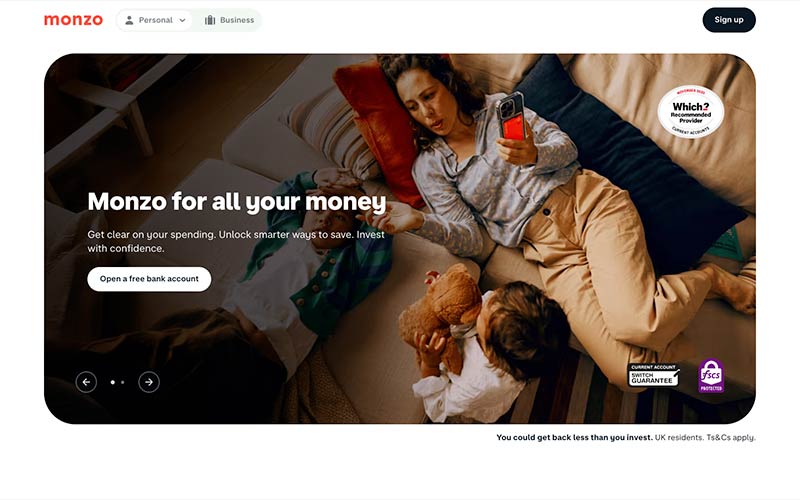
“Clean design” has become an excuse for saying less
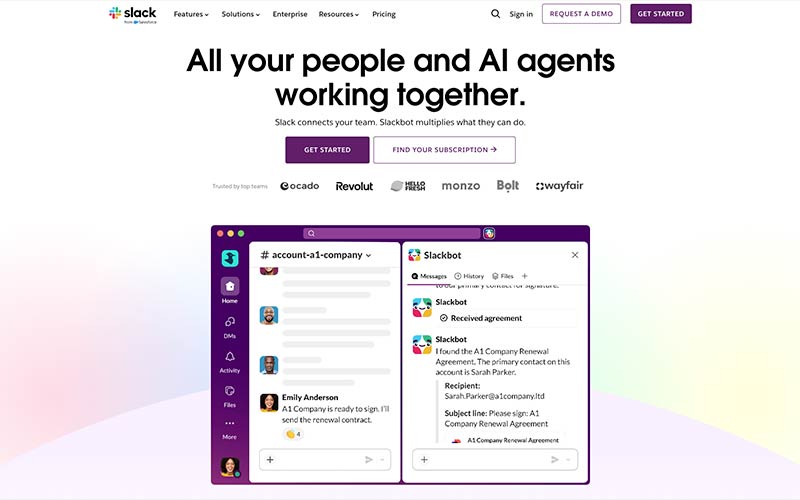
There are still a lot of sites hiding behind minimal design. Plenty of space, very little substance. It looks modern, but it doesn’t actually help the user make a decision, which is the whole point of the page.
The better sites are still clean, but they’re not empty. They use space to support the message rather than replace it, giving people enough information to feel confident without overwhelming them. Clean isn’t the goal. Clear is.
Template-looking sites are easier to spot than ever
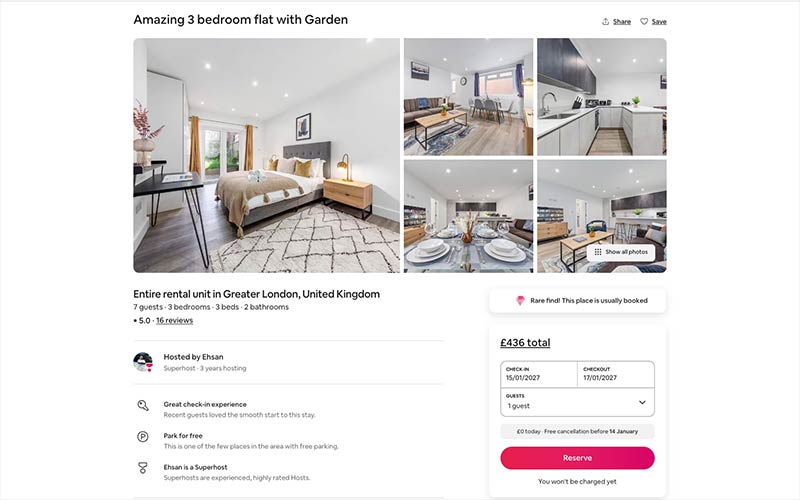
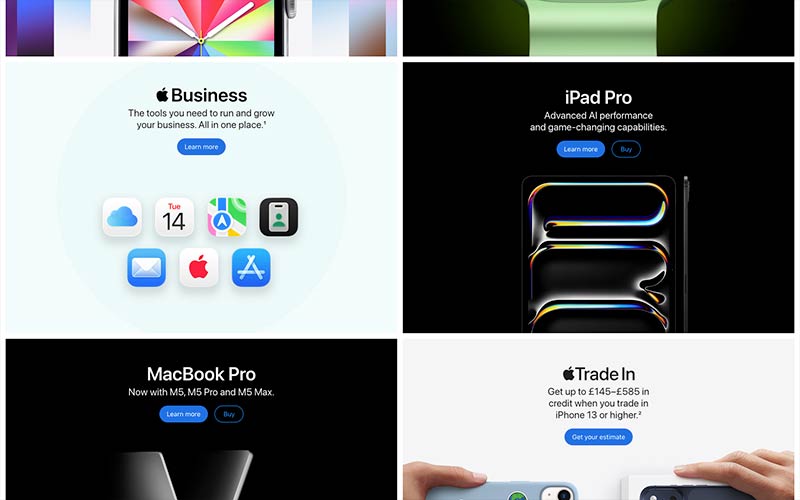
You can tell when a site has been dropped into a layout and filled in afterwards. Everything lines up perfectly, every section feels the same, and nothing really stands out. It’s not that templates are new, it’s that people are getting better at spotting them.
Designs are starting to loosen slightly. Not in a chaotic way, but enough to feel considered. Small shifts in layout, more intentional spacing, and sections that don’t all follow the exact same pattern make a noticeable difference. When everything looks identical, nothing feels important.
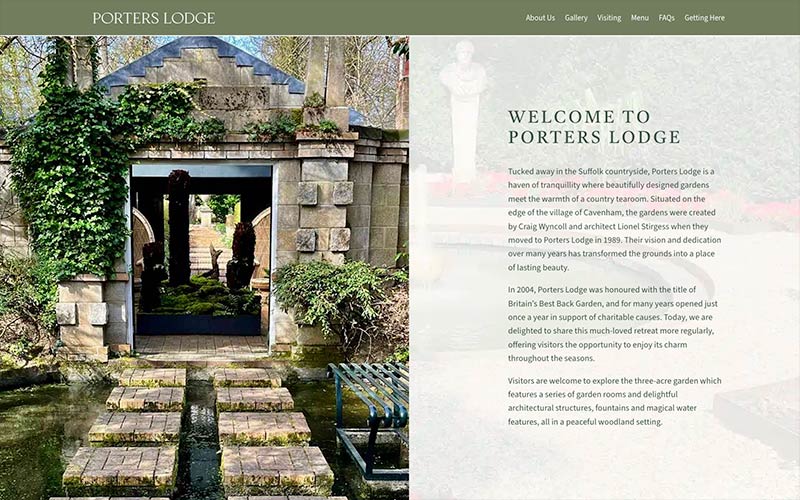
Movement is being used properly (finally)
There was a phase where sites were packed with animation just because they could be. Things sliding in, fading up, moving around for no real reason, often slowing the site down rather than improving it.
That’s settling down now. The movement that’s sticking around is the kind you don’t really notice at first. Buttons feel responsive, sections move in a way that makes sense, and the site reacts to what you’re doing. If the animation is the most memorable thing on the page, something’s off.
Mobile is no longer the compromise
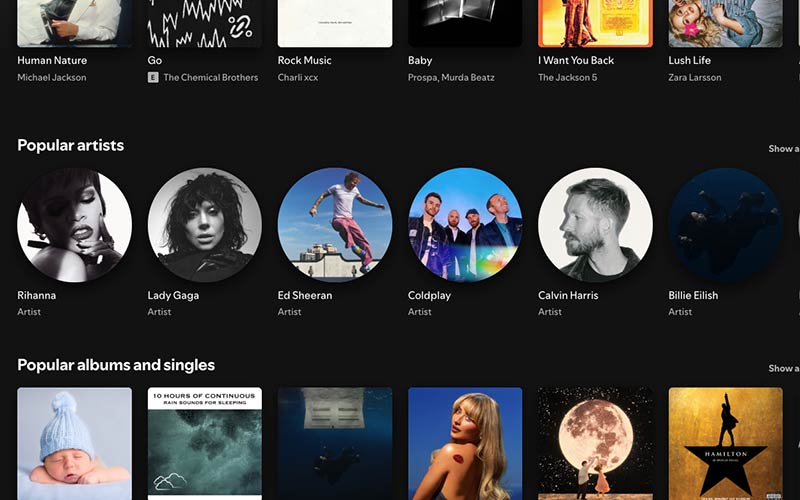
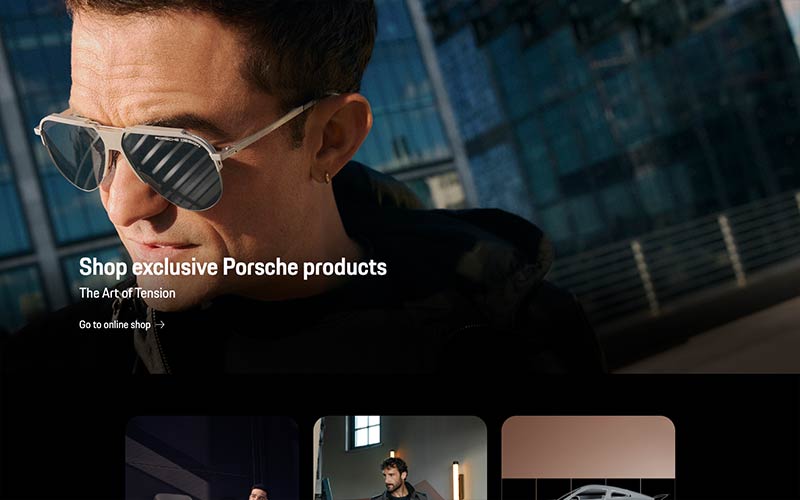
A lot of sites still technically work on mobile, but feel like a squeezed version of something designed on a laptop. Text feels cramped, buttons are awkward, and sections don’t quite flow, which makes the whole experience feel second-rate.
The better sites feel right on a phone. The structure makes sense, the spacing works, and you’re not fighting the layout just to use it. Given how most people arrive at a site, mobile isn’t a secondary experience anymore; it’s the main one.
Overly polished is starting to backfire
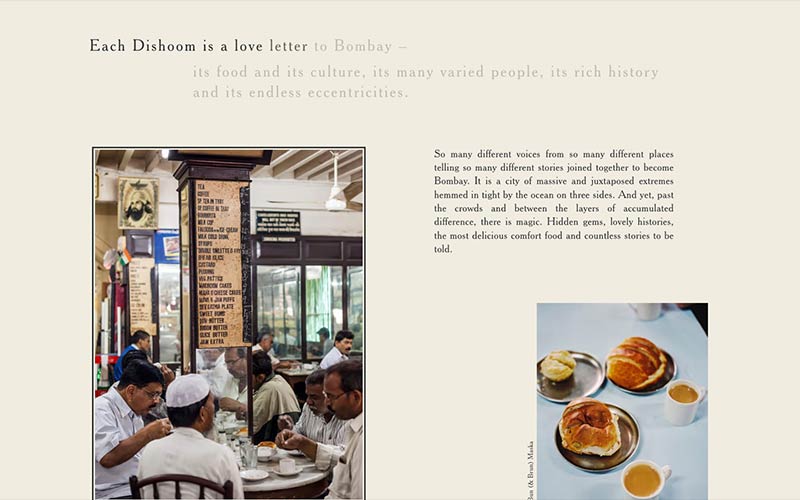
There’s a point where a website looks so polished it stops feeling real. Perfect stock imagery, carefully worded copy, everything just a bit too neat, and it creates distance rather than trust.
Sites that feel more grounded tend to perform better. That might mean using real imagery where possible, or simply writing in a way that sounds like a normal person. It still needs to be sharp, but it shouldn’t feel staged. Trust is doing more work than gloss.
Good sites don’t leave people hanging
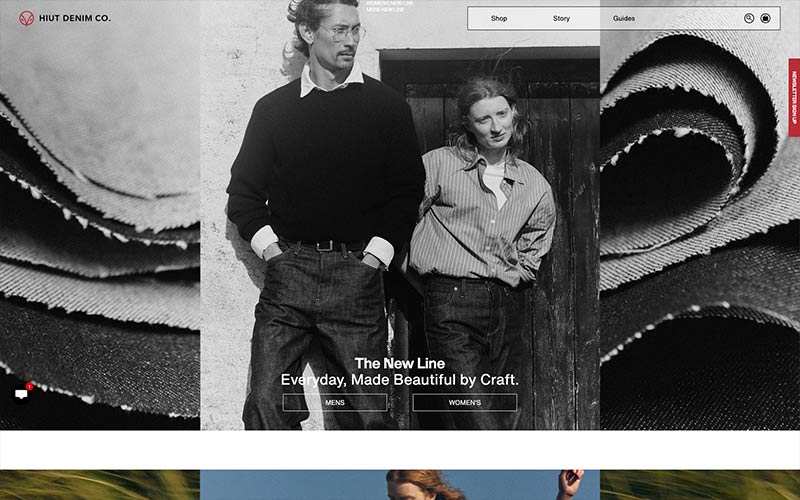
A surprising number of sites still rely on a single “contact us” button and hope for the best. If someone isn’t ready at that exact moment, they’re left to figure things out on their own, and that’s where a lot of drop-offs happen.
Stronger sites guide people through the page. Each section naturally leads to the next step, whether that’s learning more, seeing examples, or getting in touch. You’re not being pushed, but you’re also not being left to guess what comes next.
So what’s actually changed?
This isn’t really about trends. It’s about pressure. People are quicker to leave, quicker to judge, and less willing to work for information. At the same time, they’re better at spotting when something feels generic or staged.
The sites that are improving are the ones that respect that. They’re clearer, more direct, and easier to use. They don’t try to impress; they just make it obvious what to do, and that’s what’s moving the needle.
The quick reality check
If you’re not sure whether your site fits into this, it usually shows up in a few simple ways. People ask questions that are already “on the site,” you get traffic, but not many enquiries, or you look at your own homepage and realise it doesn’t really say anything clearly.
That’s where most of the opportunity is, and it’s usually fixable without a full redesign.